Speed Limits, Road Signs, and Driving Rules in Japan for Tourists
Let’s be honest — the idea of driving in a foreign country can be nerve-wracking. The signs are in another language, everyone’s driving on “the wrong side” of the road, and you’ve probably read at least one forum post about a tourist getting slapped with a mystery speeding fine weeks after they got home.
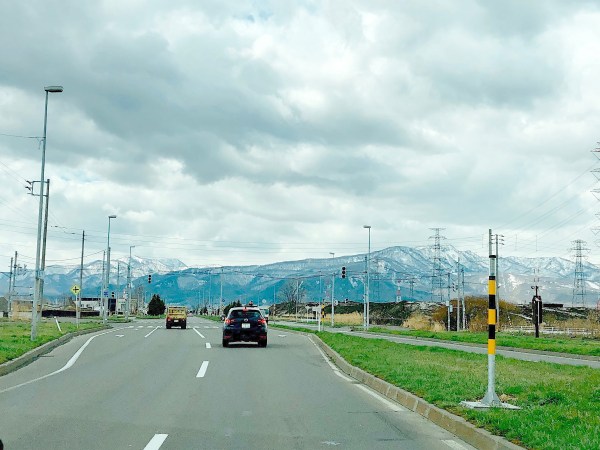
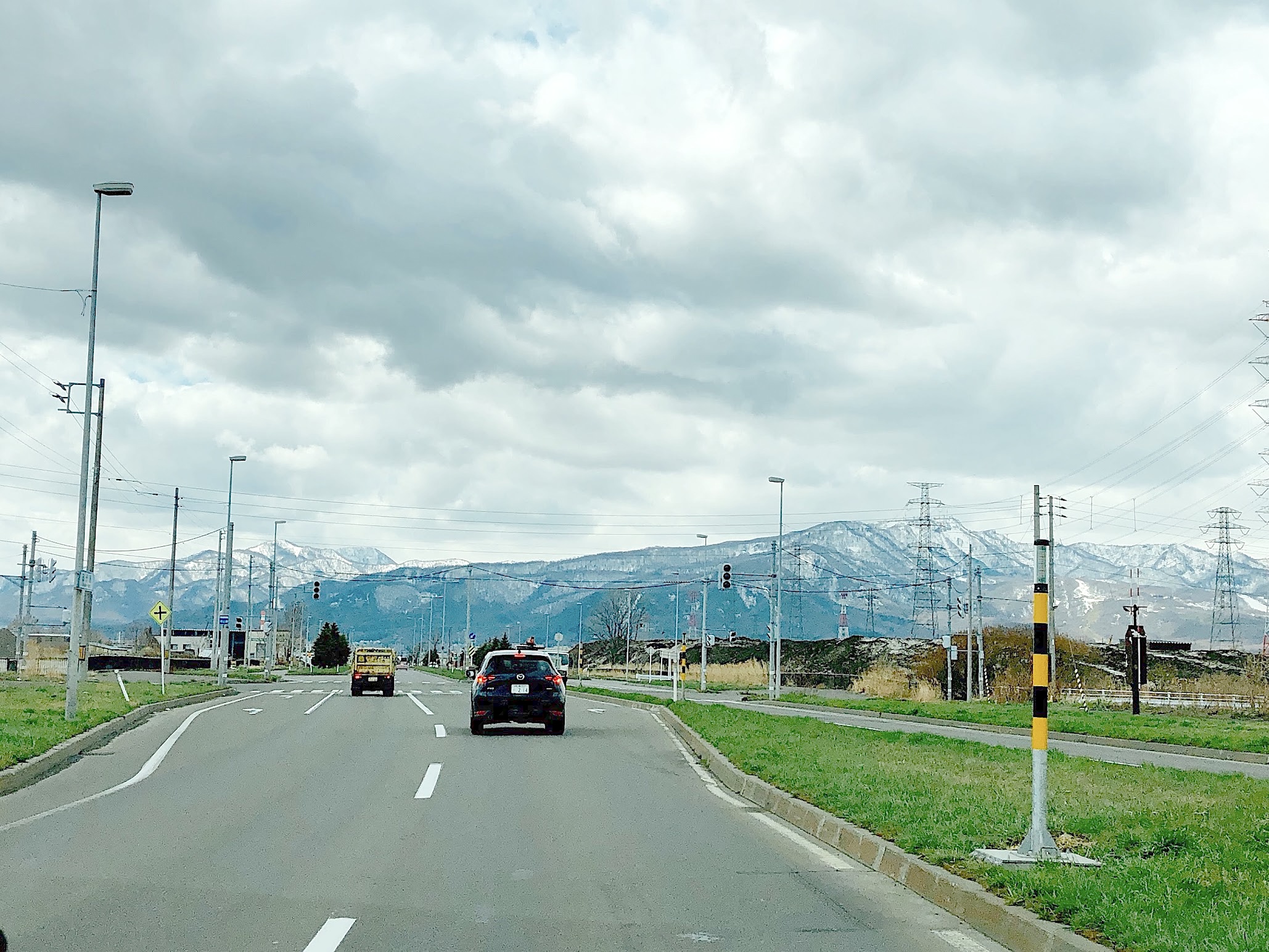
Take a breath. Once you know a handful of basics, driving in Japan is honestly one of the more relaxing ways to travel — and Hokkaido in particular is about as forgiving as it gets, with wide roads, light traffic once you’re outside the cities, and drivers who are more patient and predictable.
So here’s the real, no-fluff rundown of what to actually expect once you’re behind the wheel.
First Things First: You’ll Be Driving on the Left
If you’re used to driving in the US, Canada, or most of continental Europe, this is the adjustment that trips people up the most. In Japan, you drive on the left side of the road, the steering wheel is on the right side of the car, and — this is the part nobody warns you about — your turn signal and windshield wiper stalks are swapped.
You will, at some point, turn on your wipers when you meant to signal. Everyone does it. I did it many times too. It’s basically a rite of passage. Give yourself grace on this one.
If you happen to hit a roundabout, traffic flows clockwise rather than counterclockwise, so just go with the flow of the cars already in it and you’ll be fine.
Okay, But How Fast Can You Actually Go?
Here’s the thing that surprises most visitors: Japanese speed limits are lower than you’d expect, and they’re not just suggestions. Japan takes enforcement seriously, with a mix of fixed speed cameras and old-fashioned police patrols with radar guns.
Roughly speaking:
- Expressways run 80–100 km/h, with a few newer stretches pushing up to 120 km/h. Watch the signs closely, though, because the limit can drop mid-drive without much warning.
- National routes and general roads tend to sit around 40–60 km/h.
- Residential and narrow streets can drop to 20–30 km/h, especially near schools — and Hokkaido has plenty of quiet residential stretches like this once you’re off the main roads.
A decent rule to live by: if there’s no posted sign, assume a residential road is a 30 km/h zone until proven otherwise. Don’t assume a few km/h over is “fine” the way it might be back home — Japan enforces this stuff consistently, and if a speed camera catches you, rental companies will simply forward the fine to you after you’ve flown home. Not exactly the souvenir you want.
Road Signs: What You’ll Actually See on the Road
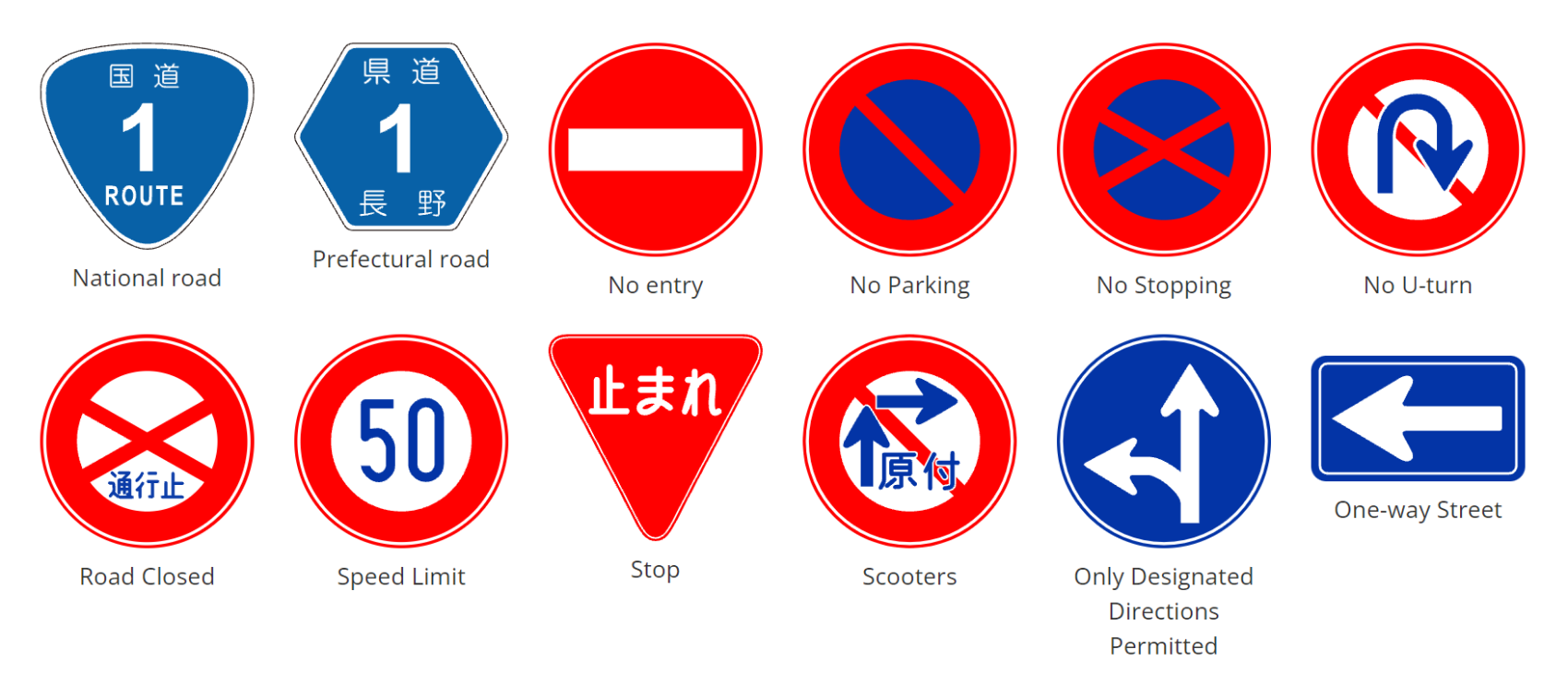
The good news is that Japan has gotten a lot friendlier to international drivers over the past decade — most major signage now includes English or uses symbols anyone can read at a glance. Still, a few signs are worth committing to memory, since they don’t always come with an English translation:
- A red circle with a diagonal line through it means no entry — don’t go down that road, full stop.
- A red triangle is your yield sign.
- A blue circle with a red slash means no parking.
- A yellow diamond is a general caution sign, usually paired with a little icon showing you what to be cautious about — deer, falling rocks, snow, slippery roads, that sort of thing.
- Japan’s stop sign isn’t the octagon you’re used to — it’s a red, upside-down triangle with the word 止まれ (tomare) written across it.
- Speed limit signs are simple: a white circle with a red border and the number in the middle.
*** Remember *** Pedestrians and cyclists always have the right of way at crosswalks. Before you cross one yourself, look both left and right to make sure it’s clear — and if someone’s about to step out, stop and let them go first.
One Hokkaido-specific tip: keep your eyes open for the yellow deer and fox crossing signs once you’re out of the city. They’re not decorative. Wildlife wandering onto rural roads is a genuine thing here, especially around dawn and dusk, so treat those signs as a real heads-up to ease off the gas.
The Rules That Catch Visitors Off Guard
Most driving rules in Japan are intuitive, but a handful are stricter — or just different — from what visitors are used to, and these are the ones that tend to catch people out:
There’s no right turn on red here, full stop. If you’re used to treating a red light as optional when the coast looks clear, unlearn that instinct — you wait for green or a dedicated arrow, no exceptions. Seatbelts are mandatory for every single person in the car, front seat and back. Using your phone while driving is illegal even at a red light — yes, that includes glancing at it to check GPS, so mount it properly beforehand. Drunk driving laws are about as strict as they come, with close to zero tolerance and real consequences even at low blood alcohol levels, so if you’re planning on sampling Hokkaido’s excellent sake or local breweries, plan around your driving, not the other way around.
You’re also expected to have your passport, International Driving Permit, and rental agreement with you in the car at all times — not sitting in your hotel safe. And if anything happens, even something as small as a light scrape while parking, you’re required to report it to the police immediately. It genuinely matters for your insurance coverage, so don’t just shrug it off and drive away.
Tolls: How They Actually Work
Japan’s expressways aren’t free — they’re toll roads, and most rental cars come with an ETC (electronic toll collection) device already built in. If you’ve got an ETC card loaded, you’ll breeze through the dedicated lanes without stopping. If not, no problem: just take a ticket at the entrance gate, and pay by cash or credit card at the manned booth when you exit. The lanes are clearly marked, so you won’t accidentally end up somewhere you shouldn’t.
A Handful of Other Things Worth Knowing
Navigation isn’t the headache you might expect — most rental cars in Hokkaido come with English-language GPS built in, and Google Maps works reliably across the whole region, so you’re never really flying blind.
If you’re driving in winter, though, take it seriously. Between December and March, roads can turn icy even when they look perfectly dry, so make sure your car actually has proper winter tires fitted (any rental company worth using will do this automatically) and give yourself more time than you think you need to get anywhere.
Parking is also more tightly regulated than a lot of visitors assume — illegally parked cars get ticketed fast, and yes, towing happens even outside of Tokyo. Stick to marked lots or coin parking (labeled パーキング) and you’ll never have to think about it again.
And one last practical thing: return your car with a full tank. Almost every rental company charges a refueling fee if you don’t, and it’s never worth what you’d pay at the pump.
Driving in Hokkaido Doesn’t Have to Be Intimidating
Honestly, once you’ve got these basics down, driving in Japan tends to be far less stressful than people expect walking in. The roads are well kept, the signage keeps getting more tourist-friendly every year, and the rules — while strict — are consistent enough that you’ll stop thinking about them within a day or two.
At Hokkaido Chitose Car Rental, we try to make that adjustment period as short as possible — every rental comes with clear guidance for international drivers, support in English, and properly winterized vehicles whenever the season calls for it. Really, the hardest part of driving here is just remembering to stay left — and after your first hour on the road, even that starts to feel normal.